
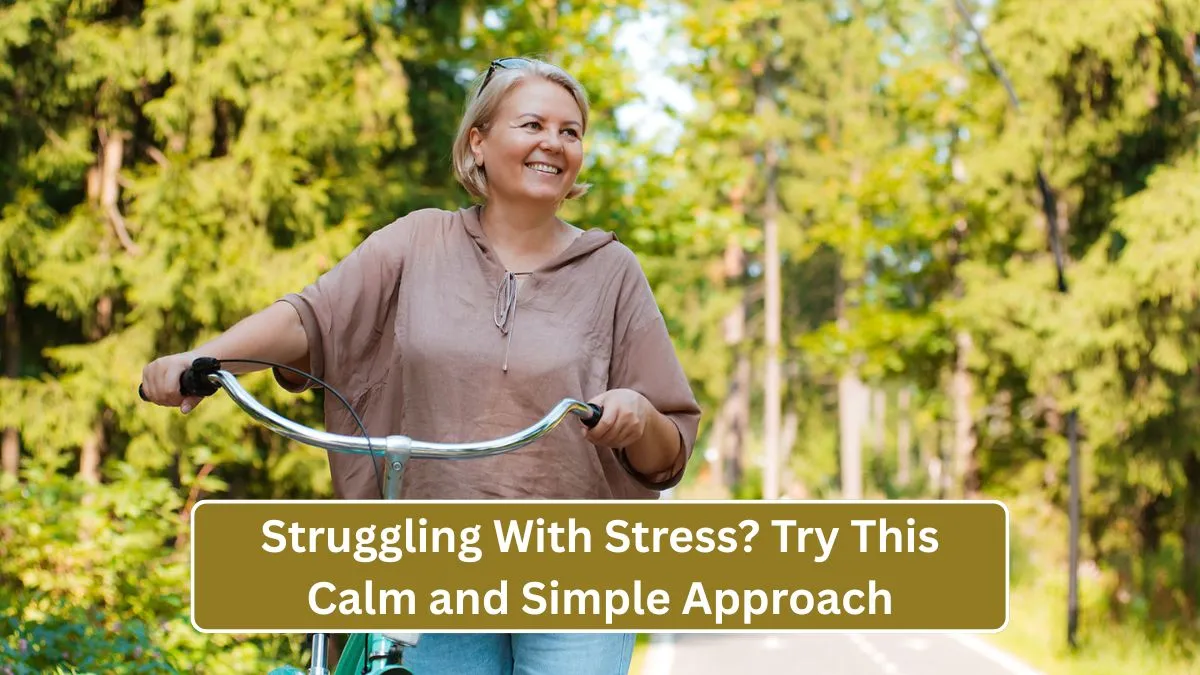
Stress has become a normal part of modern life. From work pressure and money problems to family responsibilities and social media overload, many people feel mentally tired almost every day. Some wake up already feeling anxious, while others carry stress silently through long work hours, traffic, deadlines, and personal struggles. The truth is simple: stress affects almost everyone, no matter their age, job, or lifestyle.
But here’s the good news. Managing stress does not always require expensive therapy, complicated routines, or major life changes. Sometimes, the most effective solution is a calm and simple approach that helps your mind slow down and your body relax naturally. Small daily habits can make a huge difference in how you feel emotionally and physically.
Many people believe they need to completely remove stress from life to feel happy again. That is not realistic. Stress is part of being human. What matters is learning how to handle it in a healthier way. When your mind becomes calmer, even difficult situations feel easier to manage.
One of the biggest problems today is that people are constantly connected to screens. Phones, emails, notifications, and endless scrolling keep the brain active all day long. This overload makes it hard for the mind to rest. Even when sitting quietly, many people still feel mentally exhausted. That’s why finding simple ways to calm the nervous system is more important than ever.
A calm lifestyle starts with slowing down. You do not need to change everything overnight. Even a few peaceful habits each day can reduce anxiety and improve emotional balance. The goal is not perfection. The goal is peace.
The first step is learning to breathe properly. Stress changes the way we breathe. Many people take fast, shallow breaths without even noticing it. This sends signals to the brain that something is wrong, keeping the body in “fight or flight” mode. Slow breathing tells the body that it is safe. A simple breathing exercise can relax your mind within minutes.
Try this easy method. Sit comfortably and breathe in slowly through your nose for four seconds. Hold your breath for four seconds. Then breathe out slowly for six seconds. Repeat this five times. This simple action can lower tension and help your thoughts slow down naturally.
Another important habit is getting enough sleep. Lack of sleep makes stress much worse. When the brain is tired, emotions become harder to control. Small problems feel bigger, patience becomes shorter, and negative thinking increases. Adults should aim for seven to eight hours of sleep each night. Creating a peaceful bedtime routine can improve sleep quality naturally.
Avoid using your phone right before bed. Bright screens keep the brain awake longer. Instead, listen to soft music, read a few pages of a book, or simply sit quietly for a few minutes before sleeping. These small changes help your brain relax after a long day.
Physical movement also plays a major role in stress relief. You do not need an intense gym workout to feel better. Even a short walk outside can improve mood and clear the mind. Movement releases natural chemicals in the brain that help reduce stress and increase feelings of happiness.
Nature is especially powerful for mental health. Spending time outdoors helps the brain reset. Fresh air, sunlight, trees, and open spaces create a calming effect that many people deeply need. A 20-minute walk in a park or quiet neighborhood can improve emotional balance more than many realize.
Food choices also affect stress levels. Many people turn to junk food, sugary drinks, or too much caffeine when feeling overwhelmed. While these may provide temporary comfort, they often make anxiety worse later. A balanced diet with fruits, vegetables, protein, and enough water helps the brain function better.
Hydration is another simple but overlooked factor. Even mild dehydration can increase feelings of tiredness and irritability. Drinking enough water throughout the day helps the body stay balanced and energized.
One calming approach that works for many people is journaling. Writing down thoughts and emotions helps release mental pressure. You do not need to be a great writer. Just writing honestly about your day, worries, or feelings can help your mind feel lighter.
Some people also find peace through gratitude. Stress often causes the brain to focus only on problems. Gratitude shifts attention toward positive moments, even small ones. Every evening, try writing down three good things that happened during the day. They can be simple things like enjoying coffee, hearing a kind word, or watching a beautiful sunset.
Human connection is another important part of stress relief. Many people isolate themselves when feeling overwhelmed. But talking to someone you trust can reduce emotional weight significantly. A simple conversation with a friend, family member, or supportive person can help you feel understood and less alone.
Social media can sometimes increase stress instead of reducing it. Constant comparison with other people’s lives creates pressure and insecurity. Remember that most people only post their best moments online. Taking breaks from social media can improve mental clarity and emotional health.
Learning to say “no” is also a powerful stress-management skill. Many people become stressed because they try to please everyone. Taking on too many responsibilities leads to burnout. Protecting your time and energy is not selfish. It is necessary for mental well-being.
Another helpful technique is mindfulness. Mindfulness means paying attention to the present moment instead of constantly worrying about the future or replaying the past. Many stressful thoughts come from things that are not happening right now. Focusing on the present can calm an anxious mind.
You can practice mindfulness almost anywhere. While eating, notice the taste and texture of your food. While walking, pay attention to the sounds around you. While drinking coffee, focus fully on the warmth and flavor. These small moments train the brain to slow down.
Music can also have a strong calming effect. Soft instrumental music, nature sounds, or peaceful playlists help relax the nervous system. Many people use calming music while working, driving, or before sleeping to reduce tension.
Creating a simple daily routine brings emotional stability as well. The brain feels safer when life has some structure. Waking up at the same time, eating regular meals, and scheduling breaks can help reduce feelings of chaos.
Many people think they must stay productive every second of the day. This mindset creates exhaustion. Rest is not laziness. The body and mind need recovery time to function properly. Taking short breaks during work actually improves focus and energy.
One overlooked source of stress is negative self-talk. Many people speak to themselves more harshly than they would ever speak to a friend. Thoughts like “I’m failing,” “I’m not good enough,” or “I can’t handle this” increase emotional pain. Learning to speak kindly to yourself can change your mental state over time.
Instead of saying, “I’m terrible at this,” try saying, “I’m learning.” Instead of saying, “Everything is going wrong,” try saying, “This is difficult, but I can get through it.” Small changes in inner language can create a healthier mindset.
It’s also important to understand that stress affects the body physically. Headaches, muscle tension, stomach problems, fatigue, and even chest tightness can sometimes be linked to emotional stress. Listening to your body helps you recognize when you need rest or support.
Meditation is another simple method many people use to calm stress naturally. You do not need to meditate for an hour. Even five minutes of sitting quietly and focusing on your breath can help reduce mental noise. Over time, meditation improves emotional control and mental clarity.
Many experts recommend reducing multitasking as well. Trying to do too many things at once confuses the brain and increases pressure. Focusing on one task at a time often improves both productivity and peace of mind.
Cleaning and organizing your environment can also reduce stress. A messy space often creates mental clutter. Even spending ten minutes organizing a desk, room, or kitchen can create a surprising sense of calm.
Laughter should not be ignored either. Watching something funny, talking with positive people, or simply allowing yourself to smile more can improve emotional health naturally. Laughter releases tension and boosts mood.
For some people, spiritual practices such as prayer, quiet reflection, or attending a peaceful place provide comfort during stressful times. Everyone finds peace differently. The important thing is finding healthy habits that make you feel emotionally grounded.
It is also okay to ask for professional help if stress becomes overwhelming. There is strength in seeking support. Therapists, counselors, and mental health professionals can provide tools that make life easier to manage. You do not have to carry everything alone.
Children and teenagers experience stress too. School pressure, social expectations, and online life affect younger generations deeply. Parents and caregivers should encourage open conversations and emotional support at home.
Older adults may experience stress from health concerns, loneliness, or financial worries. Calm routines, social connection, and healthy daily habits can improve emotional well-being at every age.
The most important thing to remember is that healing from stress takes time. You may not feel completely calm overnight, and that is okay. Real progress happens through small consistent habits practiced daily.
Imagine starting each morning with a few slow breaths instead of immediately checking your phone. Imagine taking short walks, sleeping better, drinking enough water, and allowing yourself moments of peace throughout the day. These simple actions may seem small, but together they create real change.
Modern life moves fast, but your mind does not have to stay stuck in constant pressure. Peace is possible, even during difficult times. A calm and simple approach works because it focuses on balance instead of perfection.
Stress may always exist in some form, but it does not have to control your life. By slowing down, caring for your body, protecting your mental space, and creating healthy routines, you can feel stronger, calmer, and more emotionally balanced every day.
The journey toward peace begins with one small step. Maybe today that step is simply taking a deep breath and reminding yourself that your mental well-being matters.
FAQs
1. What is the fastest way to calm stress naturally?
Deep breathing, short walks, and listening to calming music are some of the fastest natural ways to reduce stress quickly.
2. Can stress affect physical health?
Yes, long-term stress can cause headaches, fatigue, stomach issues, sleep problems, and muscle tension.
3. Is it normal to feel stressed every day?

Occasional stress is normal, but daily overwhelming stress may mean your mind and body need better rest, support, and healthy routines.