Many people appear fine on the outside while carrying an invisible weight within. Stress accumulates. Anxiety lingers. Overthinking steals sleep. A sense of purpose slowly fades beneath daily responsibilities. This is where psychology and spiritual reflection often meet in meaningful ways.
For many individuals exploring StMarkNOLA, the conversation is not only about faith. It is also about mental wellness, emotional recovery, and finding stability when life feels overwhelming. The connection between Orthodox Church New Orleans Psychology and personal healing has attracted growing attention because people are searching for something deeper than quick fixes.
Whether someone is facing burnout, loneliness, emotional fatigue, or uncertainty about the future, understanding how faith, community, and psychology intersect can provide valuable insights. Sometimes healing begins not with dramatic change, but with a quiet realization that you do not have to carry everything alone.
Why Emotional Struggles Often Feel Harder Than Physical Ones
A broken arm receives immediate attention. Emotional wounds rarely do.
Many people continue working, caring for family members, attending social gatherings, and meeting responsibilities while silently battling anxiety, sadness, fear, or emotional exhaustion. From a psychological perspective, hidden struggles often become more difficult because they remain unspoken.
Research in psychology consistently highlights an important reality: people heal better when they experience connection, belonging, and purpose.
This is one reason faith communities continue to play a significant role in emotional well-being.
At StMarkNOLA, community gatherings, worship experiences, and shared traditions create opportunities for individuals to reconnect with others during difficult periods of life.
The Invisible Weight Many People Carry
Common emotional burdens include:
- Chronic stress
- Anxiety about the future
- Relationship challenges
- Career uncertainty
- Grief and loss
- Social isolation
- Emotional burnout
- Lack of meaning or direction
While every person’s story is unique, many discover that healing accelerates when psychological understanding and spiritual support work together rather than separately.
The Surprising Psychology Behind Sacred Spaces
Have you ever walked into a peaceful church and immediately felt calmer?
Psychology offers several explanations.
Human brains constantly process environmental signals. Noise, clutter, conflict, and uncertainty activate stress responses. Calm environments often produce the opposite effect.
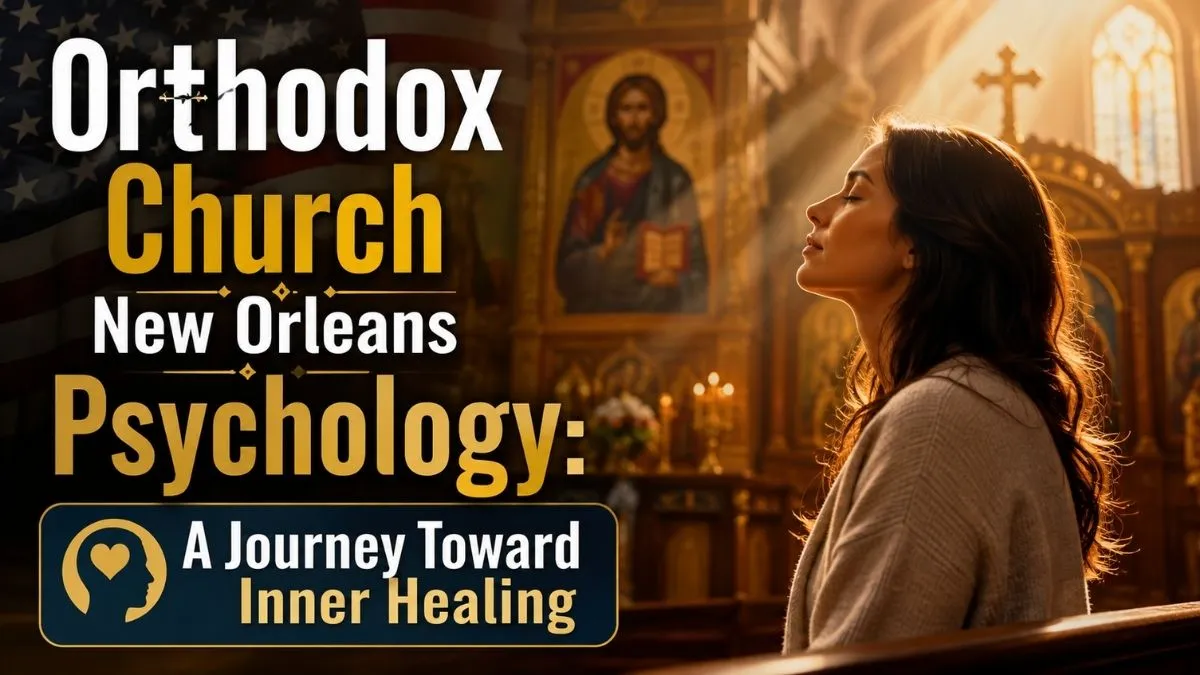
Orthodox churches are intentionally designed to encourage contemplation and reflection.
Elements such as:
- Soft lighting
- Sacred imagery
- Structured rituals
- Meaningful symbols
- Quiet moments of reflection
can influence emotional states in subtle but powerful ways.
These experiences do not replace professional mental health care when needed. However, they can support emotional health by creating moments of stillness that many people rarely experience elsewhere.
Why Stillness Feels So Powerful
Modern life often rewards constant activity.
Yet psychology shows that emotional recovery frequently happens during moments of pause.
When people step away from endless notifications, deadlines, and distractions, the mind gains an opportunity to process emotions more effectively.
This may explain why many visitors describe a sense of peace when spending time within communities like StMarkNOLA.
A Story Many Readers Will Recognize
Imagine a young professional named Michael.
His career appears successful. Friends admire his achievements. Social media suggests everything is going well.
Yet each night brings racing thoughts.
Questions repeat endlessly:
- Am I doing enough?
- Why am I always tired?
- Why doesn’t success feel satisfying?
- Why do I still feel alone?
Michael’s experience is not unusual.
Psychologists often describe this pattern as emotional depletion. The person continues functioning while gradually becoming disconnected from deeper sources of meaning and fulfillment.
When Michael begins attending community events, engaging in conversations, and participating in spiritual practices, something shifts.
The problems do not disappear overnight.
However, he experiences:
- Greater emotional awareness
- Reduced isolation
- Increased self-reflection
- Improved resilience
- Renewed sense of purpose
The lesson is simple: healing often begins with connection.
What Faith and Mental Health Can Teach Each Other
The relationship between faith and mental health is frequently misunderstood.
Some people assume they must choose between psychological support and spiritual guidance.
In reality, many mental health professionals recognize that both can complement one another.
| Psychology Focus | Faith-Based Focus |
|---|---|
| Understanding thoughts | Understanding purpose |
| Emotional regulation | Spiritual grounding |
| Behavioral change | Moral and personal growth |
| Stress management | Inner peace |
| Resilience building | Hope and meaning |
| Relationship skills | Community connection |
Together, these perspectives can create a more complete approach to well-being.
The goal is not perfection.
The goal is becoming emotionally stronger, more self-aware, and more connected to what truly matters.
The Hidden Link Between Community Support and Emotional Healing
One of psychology’s most consistent findings is that isolation can worsen emotional struggles.
Humans are social beings.
When people feel disconnected, stress often feels heavier. Problems seem larger. Recovery takes longer.
Why Community Matters More Than Most People Realize
Strong communities can provide:
- Emotional encouragement
- Shared experiences
- Practical assistance
- Accountability
- Hope during difficult periods
For many individuals, StMarkNOLA serves as more than a place of worship.
It becomes a place where people are known, valued, and supported.
That feeling of belonging can have a profound effect on emotional resilience.
The Psychology of Rituals: Why Repetition Can Reduce Anxiety
Many people view rituals as merely traditional practices.
Psychology sees something deeper.
Predictable routines help reduce uncertainty.
Uncertainty is one of anxiety’s favorite environments.
When people participate in meaningful rituals, the brain often experiences:
- Increased stability
- Reduced mental chaos
- Greater emotional regulation
- Stronger feelings of safety
This may explain why ancient spiritual practices continue to resonate even in modern society.
The human need for structure has not changed.
Only the distractions have.
When Overthinking Takes Control
Overthinking often feels productive.
In reality, it frequently creates mental exhaustion.
People replay conversations.
They imagine worst-case scenarios.
They analyze decisions repeatedly.
Eventually, mental energy becomes depleted.
A Psychology Insight That Surprises Many People
The brain is not designed to solve every problem through endless analysis.
Some emotional challenges improve through:
- Reflection
- Acceptance
- Connection
- Prayer
- Mindfulness
- Meaningful action
This is where many individuals find value in combining psychological awareness with spiritual practices.
The goal is not escaping reality.
The goal is engaging with reality from a healthier emotional state.
Lessons From Orthodox Traditions That Support Mental Wellness
Orthodox traditions have developed over centuries.
While their primary purpose is spiritual, many practices align with principles recognized by modern psychology.
Reflection Creates Self-Awareness
Self-awareness remains one of psychology’s most important predictors of personal growth.
Regular reflection helps individuals:
- Identify emotional patterns
- Recognize unhealthy habits
- Clarify priorities
- Improve decision-making
Gratitude Changes Perspective
Psychological studies consistently connect gratitude with improved emotional well-being.
Gratitude does not eliminate hardship.
It changes how hardship is experienced.
Service Creates Meaning
Helping others often improves emotional health.
Acts of service can:
- Reduce feelings of isolation
- Increase purpose
- Improve self-worth
- Strengthen social connections
Practical Habits Readers Can Start Today
You do not need a dramatic life overhaul to improve emotional well-being.
Small changes often create significant results over time.
Five Daily Practices for Better Mental Clarity
1. Begin the day without checking your phone immediately
Give your mind a few minutes of calm before absorbing external demands.
2. Spend ten minutes in reflection
Quiet reflection can reduce mental clutter and improve emotional awareness.
3. Practice gratitude intentionally
Write down three things you appreciate each day.
4. Connect with people regularly
Even short conversations can strengthen emotional resilience.
5. Participate in a supportive community
Healthy communities provide encouragement during difficult seasons.
Key Takeaways for Emotional Resilience
Remember These Important Insights
Psychology and faith can complement each other.
Community support often accelerates healing.
Meaning and purpose contribute to emotional wellness.
Stillness can be as valuable as productivity.
Mental wellness grows through consistent habits rather than instant solutions.
Emotional health improves when people feel connected rather than isolated.
Why More People Are Exploring Orthodox Church New Orleans Psychology
The growing interest in Orthodox Church New Orleans Psychology reflects a broader cultural reality.
People are searching for answers that go beyond temporary relief.
They want:
- Mental clarity
- Emotional resilience
- Authentic relationships
- Purposeful living
- Lasting peace
Many discover that psychological insights explain how the mind works, while spiritual traditions help answer deeper questions about meaning and direction.
This combination creates a powerful framework for personal growth.
Not because it removes every challenge.
But because it helps people face challenges with greater strength, wisdom, and hope.
Conclusion
The connection between psychology, mental wellness, emotional health, and faith and mental health continues to attract attention because it addresses something deeply human: the desire to heal, belong, and find meaning.
The story of Orthodox Church New Orleans Psychology is not simply about religious practice. It is about understanding how community, reflection, purpose, and emotional awareness can work together to support healthier lives.
Through the experiences associated with StMarkNOLA, many individuals discover that inner healing rarely arrives through a single breakthrough moment. More often, it emerges gradually through supportive relationships, intentional reflection, meaningful traditions, and a renewed sense of hope.
Every person faces seasons of stress, uncertainty, and emotional fatigue. Yet growth remains possible. With greater self-awareness, stronger community connections, and a commitment to personal and spiritual development, emotional resilience can become more than a goal—it can become a way of life.
FAQs
1. How does psychology relate to Orthodox Church New Orleans experiences?
Psychology helps explain how community, reflection, rituals, and meaningful relationships influence emotional well-being. Many people find that Orthodox traditions provide environments that encourage calmness, self-awareness, resilience, and a stronger sense of purpose alongside personal growth.
2. Can faith and mental health support each other?
Yes. Faith and mental health often complement one another. Psychology offers tools for understanding emotions and behaviors, while faith can provide meaning, hope, and community support. Together, they may contribute to stronger emotional resilience and overall well-being.
3. What role does StMarkNOLA play in mental wellness?

StMarkNOLA provides opportunities for community connection, spiritual reflection, and meaningful relationships. These experiences can help reduce feelings of isolation and encourage emotional support, which psychology identifies as important factors in maintaining mental wellness.
4. Why is community important for emotional health?
Strong communities help people feel understood, supported, and connected. Psychological research consistently shows that social support can reduce stress, improve coping skills, strengthen resilience, and contribute to healthier emotional outcomes during challenging periods.
5. What simple habits improve emotional resilience?
Daily reflection, gratitude practices, mindfulness, supportive relationships, and participation in meaningful communities can strengthen emotional resilience. These habits help individuals manage stress more effectively while building mental clarity, emotional balance, and a greater sense of purpose.