
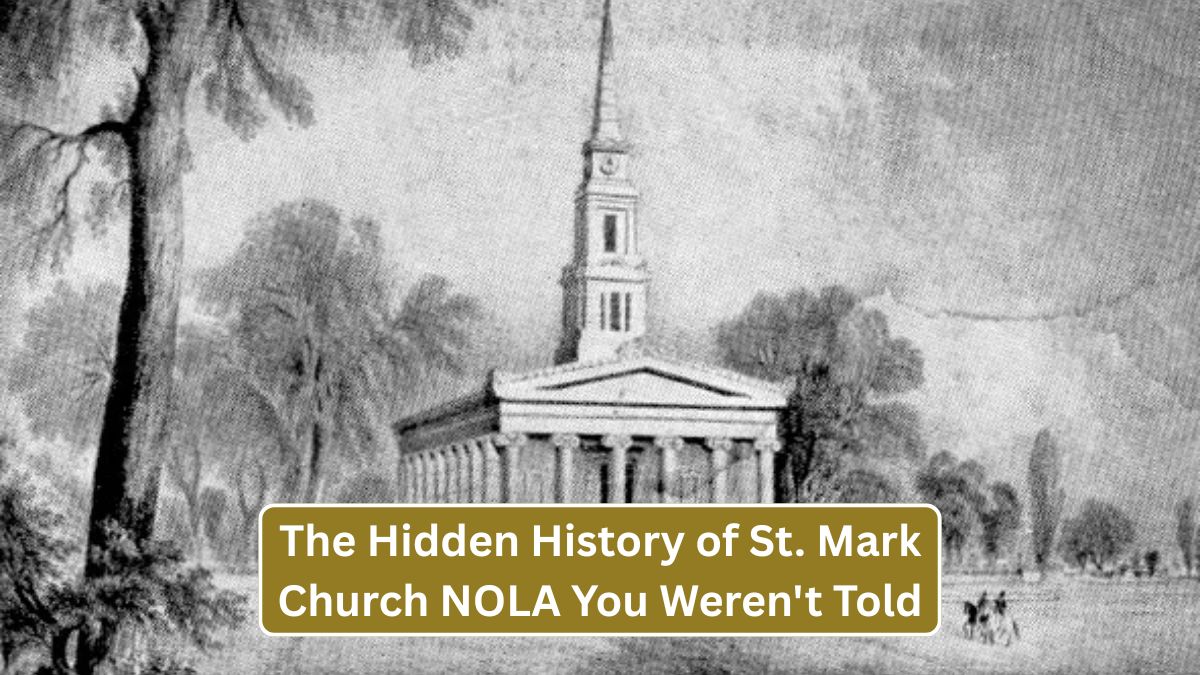
When people think about historic churches in New Orleans, famous landmarks often get all the attention. However, St. Mark Church NOLA holds a fascinating story that many visitors never hear. Hidden within its walls are tales of faith, community, survival, and cultural change that stretch across generations.
The history of St. Mark Church NOLA is deeply connected to the growth of New Orleans itself. From serving local families during difficult times to becoming a symbol of hope, the church has witnessed some of the city’s most important moments. While many guidebooks mention its architecture, few reveal the lesser-known stories that make this church truly special.
In this article, we’ll uncover the hidden history of St. Mark Church NOLA, explore its unique role in the community, and reveal facts that many people have never been told.
Quick Facts About St. Mark Church NOLA
| Feature | Details |
|---|---|
| Location | New Orleans, Louisiana |
| Known For | Historic religious and community heritage |
| Architectural Style | Traditional church design with local influences |
| Historical Importance | Community gathering and cultural center |
| Popular Visitors | Historians, tourists, local residents |
| Legacy | Faith, resilience, and neighborhood support |
The Early Beginnings of St. Mark Church NOLA
The story of St. Mark Church NOLA began during a period when New Orleans was rapidly growing. As neighborhoods expanded, local residents needed places where they could worship, gather, and support one another. The church became more than a religious building; it became a center of daily life.
Many early families in the area relied on the church for spiritual guidance and community connections. Weddings, baptisms, and important celebrations often took place there. Historical records suggest that the church quickly gained respect because it welcomed people from different backgrounds and encouraged unity.
This inclusive spirit helped St. Mark Church NOLA establish a lasting reputation. Even during challenging periods, the church continued serving its congregation and strengthening community ties.
A Church That Survived Difficult Times
Like many historic institutions in New Orleans, St. Mark Church NOLA faced numerous hardships throughout its history. Economic struggles, natural disasters, and social changes tested the strength of the congregation.
Despite these challenges, church leaders and members remained committed to preserving their place of worship. Community fundraising efforts, volunteer work, and local support played a major role in keeping the church active.
The ability of St. Mark Church NOLA to survive difficult periods demonstrates the resilience of the people who supported it. Their dedication transformed the church into a symbol of perseverance and hope for future generations.
Hidden Stories Behind the Church Walls
One of the most intriguing aspects of St. Mark Church NOLA is the collection of stories passed down through generations. Long-time residents often share memories that reveal how important the church was during major historical events.
Many families used the church as a safe gathering place during uncertain times. Community meetings, charitable activities, and neighborhood support programs often operated through church networks. These efforts helped strengthen local bonds and provided assistance to those in need.
Although these stories rarely appear in tourist brochures, they are a major part of what makes St. Mark Church NOLA historically significant.
Architectural Features Many Visitors Miss
Visitors often admire the exterior beauty of St. Mark Church NOLA, but several architectural details are easy to overlook. The building reflects both traditional church design and local New Orleans influences.
Unique decorative elements, carefully crafted windows, and historical construction techniques reveal the skill of the builders who created the church. Certain features were designed not only for beauty but also for practical reasons, including climate adaptation and durability.
These architectural details help tell the story of how St. Mark Church NOLA evolved over time. Each renovation and restoration effort added another layer to its rich history.
The Church’s Role in Community Development
Throughout its history, St. Mark Church NOLA has served as more than a place of worship. It has played an important role in community development and neighborhood improvement.
Church programs often focused on education, charity, and social support. Families facing hardships could find assistance, while young people gained opportunities through church-sponsored activities. These efforts strengthened the surrounding community and helped improve quality of life.
The church’s commitment to service contributed to its lasting influence. Many residents still remember the positive impact that St. Mark Church NOLA had on their lives and families.
Connections to New Orleans Culture
New Orleans is famous for its unique culture, and St. Mark Church NOLA has been part of that cultural story for decades. Religious traditions, music, celebrations, and local customs often intersected within the church community.
Special events brought together residents from different backgrounds, creating opportunities for cultural exchange and mutual support. The church reflected the diverse character of New Orleans while maintaining its own identity and traditions.
This connection to local culture helped St. Mark Church NOLA remain relevant as the city continued to grow and change over the years.
Lesser-Known Historical Facts
Here are some hidden facts about St. Mark Church NOLA that many people don’t know:
- The church became a gathering place during several important community events.
- Local families contributed significantly to preservation efforts.
- Historic renovations helped protect original architectural features.
- Community outreach programs expanded the church’s influence.
- Generations of residents have maintained strong ties to the church.
- The church witnessed major changes in New Orleans history.
- Local traditions helped shape the church’s identity.
These lesser-known details reveal why the church remains important today.
Why Historians Continue to Study St. Mark Church NOLA
Historians remain interested in St. Mark Church NOLA because it offers valuable insights into the development of local communities. Church records, community stories, and architectural evidence provide information about social and cultural changes over time.
Researchers often examine how churches influenced neighborhood growth and supported residents during challenging periods. The experiences of St. Mark Church NOLA provide a strong example of how faith-based institutions contributed to community stability.
As interest in local history continues to grow, the church remains an important subject for historical research and preservation efforts.
What Visitors Can Learn Today
Modern visitors to St. Mark Church NOLA can gain a deeper appreciation for New Orleans history by exploring its story. Beyond the building itself, the church represents generations of community involvement, resilience, and faith.
Understanding the hidden history helps visitors see the church as more than a historical structure. It becomes a symbol of the people who built it, maintained it, and relied on it throughout different periods of history.
Every corner of St. Mark Church NOLA reflects a legacy that continues to inspire residents and visitors alike.
Conclusion
The hidden history of St. Mark Church NOLA reveals much more than a simple church story. It highlights the strength of a community, the importance of faith, and the determination of people who worked together through difficult times. While many visitors focus on the church’s appearance, its true significance lies in the stories, traditions, and relationships built over generations.
Today, St. Mark Church NOLA remains a meaningful part of New Orleans history. By understanding its untold past, we gain a richer appreciation for the people and events that helped shape one of America’s most unique cities.
Why is St. Mark Church NOLA historically important?
It played a major role in community support, cultural development, and local religious life.
2. What makes St. Mark Church NOLA unique?
Its rich history, community involvement, and architectural heritage make it stand out.
3. Can visitors explore St. Mark Church NOLA today?
Visitors can often appreciate its historical significance and architectural features.
4. What hidden stories are connected to the church?
Many stories involve community support, local traditions, and resilience during difficult periods.