
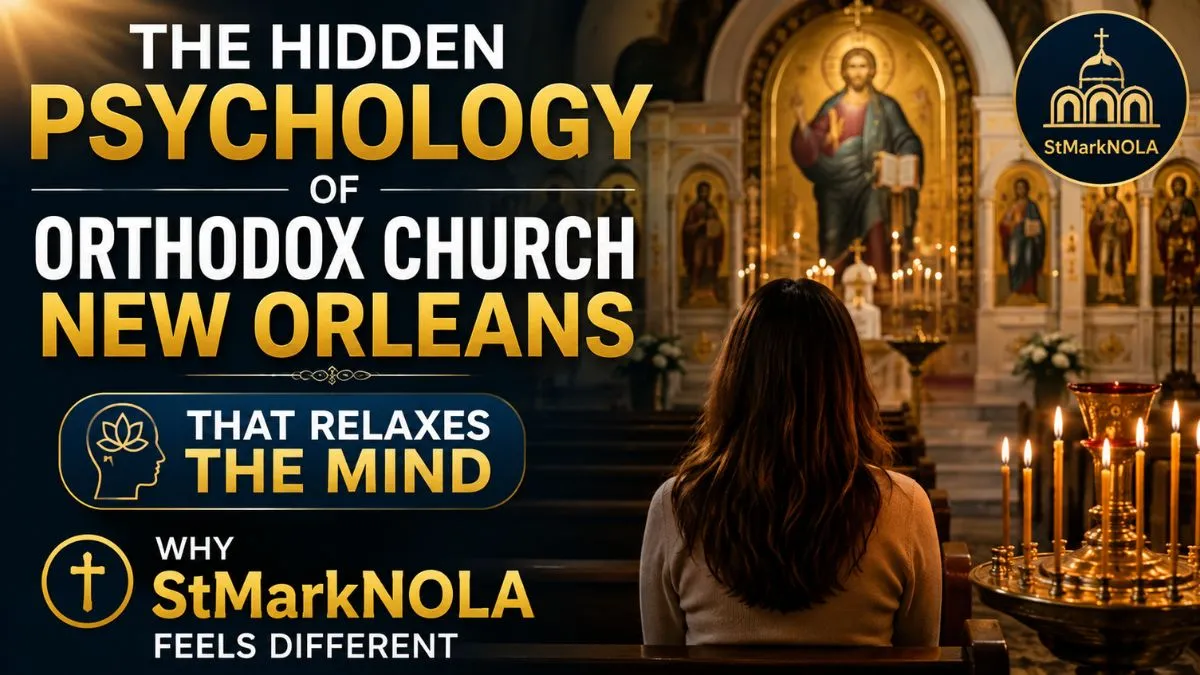
Stress follows many people from morning until bedtime. Anxiety, burnout, loneliness, overthinking, and emotional exhaustion have become common experiences that affect both personal and professional life. What many people do not realize is that certain environments naturally calm the mind without requiring complicated techniques or expensive programs. This is where the connection between psychology and StMarkNOLA becomes fascinating.
The experience of visiting an Orthodox Church New Orleans community is often described as peaceful, grounding, and emotionally restorative. While faith plays an important role, psychology also helps explain why people feel calmer, more focused, and emotionally balanced in these spaces. From meaningful rituals and supportive relationships to mindfulness-like practices and spiritual reflection, the hidden psychological principles behind mental wellness are present throughout the experience. Understanding these connections can help anyone seeking greater emotional health, stronger resilience, and a healthier relationship between faith and mental health.
What Is the Psychology Behind Feeling Calm in Orthodox Church New Orleans?
The psychology behind this sense of calm comes from predictable rituals, meaningful social connections, reflective practices, and environments designed to reduce mental overload.
Psychologists have long observed that humans feel safer when they experience structure, purpose, and belonging. Orthodox worship traditions naturally provide these elements.
Several psychological factors contribute to this experience:
- Reduced mental distraction
- Increased feelings of safety
- Strong community support
- Opportunities for reflection
- Emotional regulation through routine
- A sense of meaning beyond daily stress
Rather than constantly reacting to notifications, deadlines, and worries, individuals are encouraged to slow down and reconnect with deeper values.
This shift can significantly support mental wellness and improve overall emotional health.
Why Rituals Have a Powerful Effect on Mental Wellness
Rituals help reduce uncertainty and provide emotional stability, which psychology associates with lower stress levels and greater resilience.
One of the most overlooked psychological tools is routine. Many mental health experts recognize that predictable behaviors can reduce anxiety because they create a sense of control.
Orthodox traditions include:
- Regular worship schedules
- Prayer practices
- Seasonal observances
- Shared communal experiences
These rituals create psychological anchors during difficult periods of life.
How Rituals Calm the Brain
When people face uncertainty, the brain often increases worry and threat detection. Consistent practices can help interrupt this cycle.
Benefits may include:
- Lower mental chaos
- Improved emotional regulation
- Increased self-awareness
- Greater mental clarity
- Stronger emotional resilience
For many visitors to StMarkNOLA, the experience feels calming because these practices offer stability in a world that often feels unpredictable.
The Surprising Connection Between Faith and Mental Health
Faith can provide meaning, hope, purpose, and social support, all of which are recognized protective factors for emotional well-being.
The relationship between faith and mental health has received increasing attention from researchers and mental health professionals.
Faith communities often help individuals:
- Cope with grief
- Navigate uncertainty
- Build healthy relationships
- Develop optimism
- Strengthen resilience
This does not mean faith replaces professional mental health care. Instead, many experts view spiritual support as one potential contributor to overall wellness.
Why Meaning Matters in Psychology
Psychology consistently shows that people who find meaning in their experiences often cope better with adversity.
When challenges arise, questions naturally emerge:
- Why is this happening?
- How can I move forward?
- What can I learn from this experience?
Faith traditions frequently provide frameworks for addressing these questions, helping individuals develop a stronger sense of direction and purpose.
How StMarkNOLA Encourages Emotional Health Through Community
Community support reduces isolation and provides emotional connection, both of which are essential for healthy psychological functioning.
Loneliness has become a growing concern across many societies. Even people surrounded by others can feel disconnected and unsupported.
A strong community offers:
| Psychological Need | Community Benefit |
|---|---|
| Belonging | Social connection |
| Validation | Emotional support |
| Purpose | Meaningful participation |
| Security | Reliable relationships |
| Growth | Shared learning experiences |
At StMarkNOLA, community involvement often extends beyond worship. Conversations, volunteer opportunities, educational programs, and shared experiences can strengthen interpersonal connections.
Why Belonging Supports Mental Wellness
Humans are social by nature.
When people feel accepted and valued:
- Stress responses may decrease
- Self-confidence often improves
- Emotional resilience grows
- Feelings of loneliness may lessen
These benefits contribute directly to better mental wellness and long-term emotional health.
Can Orthodox Practices Function Like Mindfulness?
Many Orthodox practices share psychological similarities with mindfulness because they encourage focused attention, reflection, and present-moment awareness.
Mindfulness is often associated with modern wellness programs, but similar principles exist in many spiritual traditions.
Examples include:
- Quiet prayer
- Reflection
- Intentional breathing
- Focused attention
- Silence and contemplation
These practices encourage individuals to step away from constant mental stimulation.
The Psychology of Slowing Down
Overthinking often occurs when attention repeatedly cycles through worries and future uncertainties.
Reflective practices can help:
- Reduce mental clutter
- Improve concentration
- Increase emotional awareness
- Encourage calm thinking
Many visitors describe the atmosphere of an Orthodox Church New Orleans community as peaceful because it naturally promotes these psychological processes.
The Role of Sacred Spaces in Mental Clarity
Physical environments influence emotional states, attention, and psychological comfort.
Environmental psychology studies how surroundings affect human behavior and emotions.
Certain characteristics of sacred spaces can encourage calm:
- Reduced noise
- Visual harmony
- Symbolic meaning
- Structured design
- Opportunities for reflection
These features help shift attention away from daily pressures.
Why Environment Influences Emotional Health
Consider the difference between:
- A crowded, noisy setting
- A quiet, reflective environment
Most people naturally experience different emotional reactions.
A thoughtfully designed spiritual environment can encourage:
- Mental clarity
- Relaxation
- Reflection
- Emotional balance
This helps explain why many individuals feel refreshed after spending time in places associated with worship and contemplation.
The Hidden Psychology of Hope
Hope improves coping ability by helping people believe that positive outcomes remain possible despite present challenges.
Psychologists often describe hope as a powerful protective factor during difficult times.
People who maintain hope may experience:
- Greater perseverance
- Improved emotional regulation
- Better stress management
- Increased motivation
A Real-Life Example
Imagine two individuals facing the same stressful situation.
The first believes nothing will improve.
The second believes improvement is possible and continues taking positive action.
The second individual often demonstrates stronger emotional resilience because hope supports persistence.
Faith communities frequently reinforce hope through shared encouragement, meaningful narratives, and supportive relationships.
Emotional Resilience: What Psychology and Faith Teach Together
Emotional resilience develops when individuals learn to adapt, recover, and continue moving forward despite setbacks.
Resilience is not about ignoring emotions.
Instead, it involves:
- Acknowledging challenges
- Managing stress effectively
- Maintaining perspective
- Seeking support when needed
Lessons From Orthodox Tradition
Many Orthodox teachings emphasize:
- Patience
- Reflection
- Gratitude
- Compassion
- Perseverance
Psychology identifies many of these same qualities as contributors to long-term resilience.
This overlap helps explain why faith-based communities can play a meaningful role in supporting emotional well-being.
Practical Psychology Lessons You Can Apply Today
Small daily habits can improve emotional health when practiced consistently.
Whether someone regularly attends StMarkNOLA or simply appreciates the psychological principles discussed here, several lessons can be applied immediately.
1. Create a Daily Reflection Routine
Spend five minutes each day in quiet reflection.
Benefits:
- Improved self-awareness
- Reduced stress
- Better emotional regulation
2. Build Meaningful Relationships
Strong relationships remain one of the most powerful predictors of emotional well-being.
Focus on:
- Listening
- Supporting others
- Participating in community activities
3. Limit Constant Mental Noise
Create intentional breaks from:
- Social media
- Notifications
- Continuous multitasking
This helps improve mental clarity.
4. Practice Gratitude
Gratitude shifts attention from what is missing to what is present.
Over time, this habit can improve emotional outlook and resilience.
5. Focus on Purpose
Ask yourself:
- What matters most?
- What values guide my decisions?
- How can I contribute positively?
Purpose often strengthens both psychological and spiritual wellness.
Key Takeaways
- Psychology helps explain why many people feel calm and centered in Orthodox environments.
- StMarkNOLA combines community, reflection, structure, and meaning in ways that support emotional well-being.
- Rituals can reduce uncertainty and promote stability.
- Community support strengthens mental wellness and reduces loneliness.
- Reflective practices share important similarities with mindfulness techniques.
- Hope and purpose play major roles in emotional resilience.
- The relationship between faith and mental health can support overall well-being when combined with healthy coping strategies and appropriate professional care when needed.
Conclusion
The hidden psychology behind Orthodox Church New Orleans experiences is not simply about tradition or routine. It is about the deep human need for connection, meaning, reflection, hope, and belonging. These elements align closely with what psychology identifies as essential contributors to mental wellness, emotional health, and long-term resilience.
StMarkNOLA demonstrates how faith communities can create environments that encourage calm thinking, emotional balance, and personal growth. Through supportive relationships, reflective practices, meaningful rituals, and a sense of purpose, individuals often discover a level of peace that modern life rarely provides. Whether you are exploring the relationship between psychology, faith and mental health, or simply searching for greater inner calm, the lessons found within StMarkNOLA offer valuable insights worth reflecting on and applying in everyday life.
Frequently Asked Questions
1. How does psychology explain the calming effect of Orthodox churches?
Psychology suggests that structured rituals, meaningful community connections, quiet environments, and reflective practices reduce stress and improve emotional regulation. These elements help create feelings of safety, stability, and belonging, which support mental wellness and emotional balance.
2. Can faith and mental health work together?
Yes. Faith and mental health can complement each other when approached responsibly. Faith may provide meaning, hope, purpose, and community support, while mental health professionals offer evidence-based care. Together, they can contribute to stronger emotional resilience and overall well-being.
3. Why is community important for emotional health?
Community reduces loneliness and provides emotional support during difficult times. People who feel connected to others often experience greater confidence, resilience, and psychological stability. Healthy relationships remain one of the strongest contributors to long-term mental wellness.
4. Does StMarkNOLA support mental wellness?
StMarkNOLA promotes many factors associated with mental wellness, including community support, reflection, meaningful traditions, and spiritual growth. While it is not a substitute for professional mental health care, these experiences can positively contribute to emotional health and resilience.
5. What psychology lessons can people learn from Orthodox traditions?
Orthodox traditions highlight reflection, gratitude, patience, purpose, and community connection. Psychology recognizes these same qualities as important contributors to emotional resilience, stress management, mental clarity, and long-term personal growth, making them valuable practices for everyday life.