There are moments when life feels heavier than it should. A racing mind refuses to slow down. Stress follows you from morning to night. Anxiety turns simple decisions into exhausting battles. Many people searching for better mental wellness are discovering something unexpected: the connection between psychology, faith, and community.
At StMarkNOLA, conversations about emotional well-being are not separate from daily life. They exist within it. The relationship between faith and mental health has become an area of growing interest among psychologists, researchers, and people simply looking for peace. While therapy, self-care, and healthy habits remain valuable tools, many individuals also find comfort in spiritual practices that provide meaning, connection, and hope.
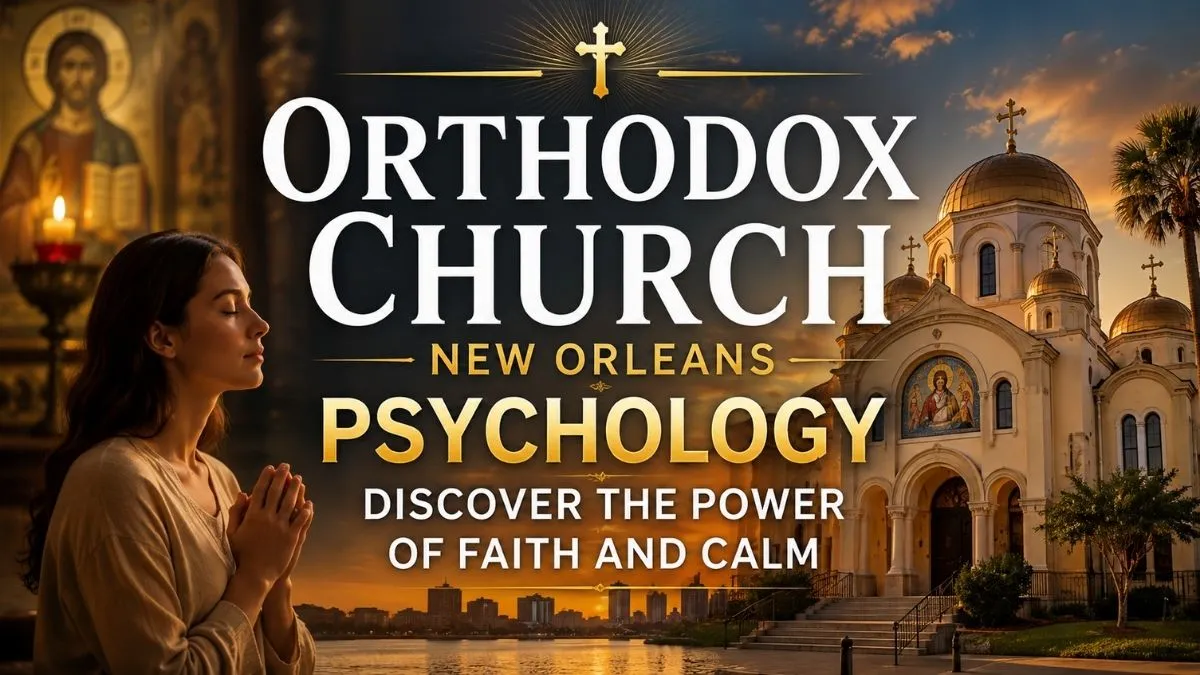
The growing conversation around Orthodox Church New Orleans psychology is not really about religion alone. It is about understanding why certain environments help people feel calmer, stronger, and more emotionally grounded when life becomes difficult.
Why Modern Life Leaves So Many People Emotionally Drained
Stress rarely arrives all at once.
It builds gradually through deadlines, family responsibilities, financial pressure, social expectations, and constant digital stimulation. Many people become so accustomed to feeling overwhelmed that exhaustion begins to feel normal.
Psychologists often describe emotional burnout as a state where the mind loses its ability to recover effectively. The result can include:
- Persistent worry
- Mental fatigue
- Difficulty concentrating
- Emotional numbness
- Sleep disturbances
- Increased irritability
- Feelings of isolation
The challenge is not simply reducing stress. The challenge is creating spaces where the mind can rest and recover.
This is where many people begin exploring the relationship between spirituality and psychological well-being.
The Surprising Psychology Behind Feeling Peaceful in Sacred Spaces
Have you ever entered a quiet church and immediately felt your shoulders relax?
That reaction is not imaginary.
Environmental psychology suggests that surroundings influence emotions more than most people realize. Lighting, architecture, sounds, rituals, and social interactions all affect the nervous system.
Many visitors to an Orthodox Church New Orleans congregation describe experiencing:
- Reduced mental noise
- Increased mindfulness
- Greater emotional stability
- A sense of belonging
- Relief from constant distractions
These experiences align with psychological principles related to attention restoration and emotional regulation.
The human brain was never designed to operate at maximum stimulation every hour of the day. Moments of stillness allow emotional recovery.
Why Silence Feels So Powerful
Modern culture rewards constant activity.
Silence, however, creates space for reflection.
Psychologists have long observed that periods of intentional quiet can improve:
- Mental clarity
- Self-awareness
- Emotional regulation
- Stress management
- Decision-making
Many faith traditions have incorporated silence for centuries, long before modern psychology began studying its effects.
A Story That Feels Familiar to Thousands
Imagine someone named Michael.
He has a stable job, supportive family, and a busy schedule. On paper, everything appears fine.
Yet every night he lies awake replaying conversations, worrying about the future, and feeling strangely disconnected from life.
He tries productivity apps.
He watches motivational videos.
He scrolls endlessly looking for answers.
Nothing seems to last.
Then a friend invites him to attend a service at StMarkNOLA.
At first, he expects little.
Instead, he notices something unusual.
Nobody seems rushed.
The atmosphere feels calm.
People listen to one another.
The experience does not instantly solve his problems, but it changes something important: he stops feeling alone.
That shift may seem small, yet psychology shows that meaningful human connection often becomes the foundation for emotional healing.
The Hidden Link Between Community Support and Emotional Health
One of the strongest predictors of psychological well-being is not income, status, or achievement.
It is connection.
Humans are social beings. Emotional resilience grows when people feel seen, valued, and supported.
What Community Provides That Social Media Often Cannot
| Community Support | Social Media Interaction |
|---|---|
| Genuine belonging | Surface-level engagement |
| Face-to-face connection | Digital communication |
| Emotional accountability | Temporary validation |
| Long-term relationships | Short-term attention |
| Shared experiences | Individual consumption |
This is one reason faith communities continue to play an important role in mental wellness.
People benefit from:
- Encouragement during difficult seasons
- Shared traditions
- Meaningful relationships
- Opportunities to help others
- Emotional support networks
At StMarkNOLA, community often becomes a practical source of strength rather than merely a social activity.
What Psychology Says About Meaning and Purpose
Many emotional struggles are not caused by stress alone.
Sometimes they emerge from a lack of direction.
Psychologists frequently discuss the importance of purpose in maintaining psychological health. People who believe their lives have meaning often demonstrate greater resilience during hardship.
Faith traditions naturally encourage reflection on questions such as:
- Why am I here?
- What truly matters?
- How should I treat others?
- What kind of person do I want to become?
These questions may seem philosophical, but they have direct implications for emotional health.
When people develop a stronger sense of purpose, they often report:
- Increased optimism
- Better stress tolerance
- Improved emotional resilience
- Greater life satisfaction
The Rituals That Calm the Mind More Than Most People Realize
Many people assume rituals are outdated.
Psychology suggests otherwise.
Rituals create predictability during uncertain times. They help the brain organize experience and reduce anxiety.
Whether it involves prayer, reflection, worship, or communal gatherings, consistent practices provide psychological stability.
Why Rituals Matter
Rituals help people:
- Slow down mentally
- Focus attention
- Build emotional consistency
- Reduce uncertainty
- Strengthen personal identity
This may explain why many individuals describe feeling emotionally grounded after participating in spiritual practices.
The effect is not simply religious.
It is deeply human.
The Emotional Benefits of Belonging to Something Bigger Than Yourself
One overlooked psychological principle involves perspective.
Stress often narrows attention.
People become trapped inside immediate worries, fears, and frustrations.
Faith communities encourage a broader viewpoint.
Instead of focusing exclusively on personal struggles, individuals begin thinking about service, gratitude, compassion, and hope.
A Small Shift That Changes Everything
Consider two different mental states:
State A
- “Everything depends on me.”
- “I have to solve every problem.”
- “I am carrying this alone.”
State B
- “I can seek support.”
- “Challenges are part of a larger story.”
- “I am connected to a community.”
The circumstances may remain identical.
The emotional experience becomes very different.
That shift often contributes to stronger emotional resilience.
What StMarkNOLA Teaches About Emotional Strength
Emotional strength is frequently misunderstood.
Many people think resilience means never struggling.
Psychology suggests the opposite.
Resilient people experience difficulty, disappointment, and uncertainty just like everyone else. The difference lies in how they respond.
At its core, resilience involves:
- Adaptability
- Hope
- Self-awareness
- Meaning-making
- Social connection
These qualities appear repeatedly in both psychological research and faith-based communities.
Key Takeaway
Resilience is not about avoiding hardship. It is about developing the inner resources needed to navigate hardship effectively.
Practical Lessons Readers Can Apply Today
You do not need to completely change your life to improve emotional well-being.
Small habits often create significant results.
1. Create Five Minutes of Silence Daily
Allow your mind to slow down.
No phone.
No notifications.
No multitasking.
Just quiet reflection.
2. Strengthen Community Connections
Reach out to someone.
Attend a gathering.
Join a group.
Meaningful relationships protect emotional health.
3. Practice Gratitude Intentionally
Psychological studies consistently associate gratitude with improved mood and reduced stress.
Write down three things you appreciate each day.
4. Focus on Purpose Instead of Perfection
Perfection creates pressure.
Purpose creates direction.
5. Make Space for Reflection
Whether through prayer, journaling, or thoughtful conversation, reflection helps organize emotions and improve mental clarity.
The Curiosity Most People Never Explore
Many individuals spend years searching for external solutions to internal struggles.
They seek productivity systems, entertainment, distractions, and constant stimulation.
Yet the answer is often simpler.
People need:
- Meaning
- Connection
- Hope
- Reflection
- Community
The reason conversations about Orthodox Church New Orleans psychology continue attracting attention is that they sit at the intersection of these human needs.
Faith alone is not a replacement for professional mental health support when needed.
Likewise, psychology does not eliminate the human desire for meaning and belonging.
The most powerful approach often recognizes the value of both.
Conclusion
The growing interest in Orthodox Church New Orleans psychology reflects a deeper search taking place across society. People are looking for more than temporary relief from stress. They want lasting mental wellness, stronger emotional health, meaningful relationships, and a sense of purpose that extends beyond daily pressures.
At StMarkNOLA, many individuals discover that faith, community, reflection, and compassion can complement important psychological principles such as resilience, mindfulness, emotional regulation, and personal growth. The connection between psychology and faith and mental health is not about choosing one over the other. It is about recognizing that human well-being often involves both inner understanding and meaningful connection.
Perhaps the most important lesson is this: peace is rarely something we stumble upon by accident. It grows through intentional habits, supportive relationships, thoughtful reflection, and a willingness to seek hope even during difficult seasons. When those elements come together, genuine calm becomes possible.
FAQs
1. How does psychology relate to faith and mental health?
Psychology helps explain how thoughts, emotions, behaviors, and relationships affect well-being. Faith can complement these insights by providing meaning, hope, community support, and emotional stability. Together, they may contribute to stronger resilience, reduced stress, and improved overall mental wellness.
2. Can StMarkNOLA support emotional well-being?
Many people find that StMarkNOLA provides a supportive community, opportunities for reflection, and spiritual encouragement. These experiences can strengthen feelings of belonging, purpose, and emotional connection, which are all important factors associated with positive mental health outcomes.
3. Why do people feel calmer in an Orthodox Church environment?

Sacred spaces often encourage quiet reflection, mindfulness, and reduced distractions. Psychological research suggests that peaceful environments can help lower stress levels, improve focus, and support emotional regulation, contributing to a greater sense of calm and mental clarity.
4. What is emotional resilience and why is it important?
Emotional resilience is the ability to adapt and recover from challenges, setbacks, and stress. It helps people maintain perspective during difficult times, manage emotions more effectively, and continue moving forward without becoming overwhelmed by temporary hardships.
5. Can faith practices improve mental wellness?
Faith practices such as prayer, reflection, gratitude, and community participation may support mental wellness by encouraging emotional balance, hope, purpose, and connection. While they are not substitutes for professional care when needed, many people find them helpful alongside healthy lifestyle habits.