
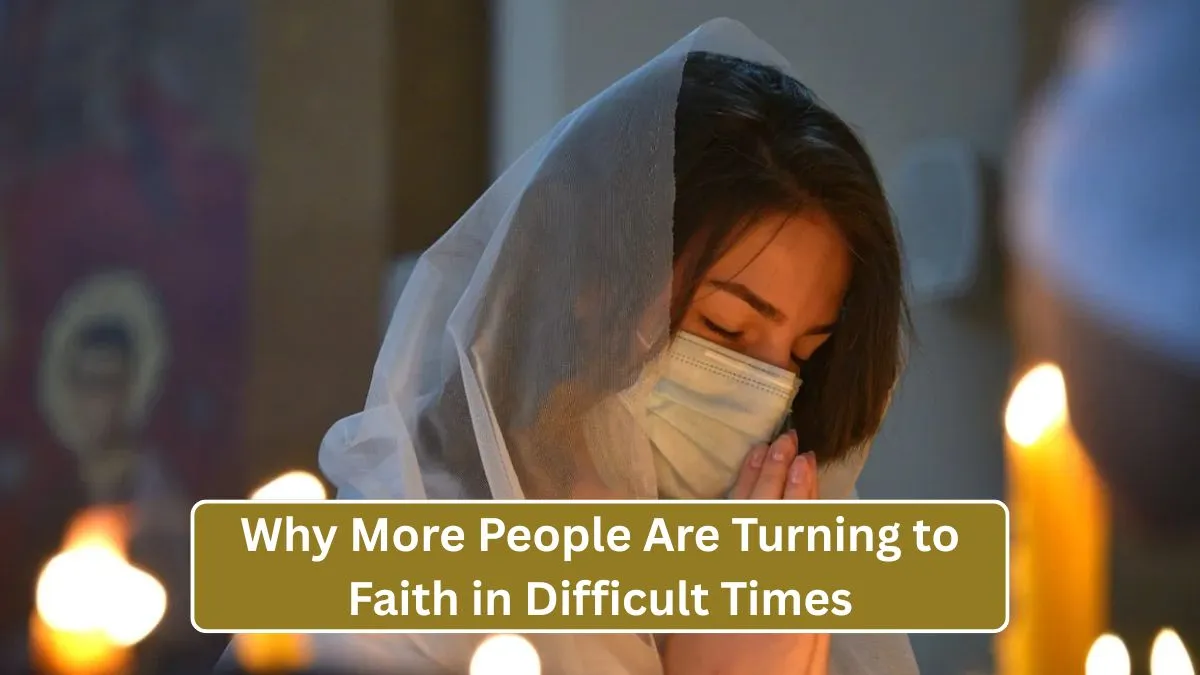
Life has never been completely easy, but in recent years, many people across the United States have been facing more stress, uncertainty, and emotional challenges than ever before. From financial struggles and job loss to health issues and personal setbacks, tough times can leave people feeling lost, anxious, and overwhelmed. Because of this, more individuals are turning toward faith as a source of comfort, strength, and hope.
Faith, in simple terms, means believing in something bigger than yourself. It may be connected to religion, spirituality, or even a personal belief system. No matter how people define it, faith is becoming an important part of how they cope with life’s challenges. This shift is not just about religion—it’s about finding peace, purpose, and direction when everything else feels uncertain.
Understanding Why Difficult Times Push People Toward Faith
When life feels out of control, people naturally look for something stable to hold on to. Faith often provides that stability. It gives individuals a sense of meaning and reminds them that they are not alone in their struggles.
In difficult situations, the human mind searches for answers. Questions like “Why is this happening?” or “What should I do next?” can create stress. Faith helps answer these questions by offering guidance, whether through prayer, spiritual teachings, or personal reflection.
Another reason people turn to faith is emotional support. During hard times, many feel isolated. Faith communities—whether churches, groups, or online spaces—bring people together. This sense of belonging can reduce loneliness and help people feel understood.
Faith as a Source of Mental and Emotional Strength
Mental health has become a major topic in recent years, and for good reason. Anxiety, depression, and stress are affecting millions of people. Faith can play a powerful role in improving mental well-being.
Believing in a higher purpose often helps people stay hopeful, even when situations seem hopeless. It encourages positive thinking and reduces fear about the future. For example, someone who believes that “everything happens for a reason” may find it easier to accept challenges and keep moving forward.
Faith also promotes practices like prayer, meditation, and gratitude. These habits are known to calm the mind and reduce stress. Taking a few moments each day to reflect or pray can create a sense of peace that carries through the rest of the day.
The Role of Community and Support
One of the strongest aspects of faith is the community it creates. People who share similar beliefs often come together to support one another. This support becomes especially important during tough times.
In many parts of the United States, local faith groups help people with food, shelter, emotional support, and guidance. These communities act like extended families, offering help when it is needed most.
Being part of a group also gives people a sense of purpose. Helping others, volunteering, or simply being present for someone else can improve one’s own mental health. It creates a cycle of kindness and support that benefits everyone involved.
Faith Provides Hope in Uncertain Times
Uncertainty is one of the hardest things for people to deal with. Not knowing what will happen next can create fear and anxiety. Faith helps people manage this uncertainty by focusing on hope rather than fear.
Hope does not mean ignoring problems. Instead, it means believing that things can get better. This belief gives people the strength to keep going, even when situations are difficult.
For example, someone going through a job loss may feel discouraged. But faith can remind them that this setback is temporary and that new opportunities will come. This positive outlook can make a big difference in how they handle challenges.
Faith and Personal Growth
Difficult times often lead to personal growth, and faith can guide this process. When people face challenges, they learn more about themselves—their strengths, weaknesses, and values.
Faith encourages reflection. It helps people think about their actions, decisions, and goals. This reflection can lead to better choices and a clearer sense of direction in life.
Many people say that their toughest moments helped them grow stronger in their faith. These experiences teach patience, resilience, and understanding. Over time, this growth can lead to a more balanced and meaningful life.
The Modern Shift Toward Spirituality
While traditional religion remains important, many people today are exploring spirituality in new ways. This includes meditation, mindfulness, and personal belief systems that may not be tied to a specific religion.
This modern approach to faith is more flexible and personal. People choose practices that work for them and fit their lifestyle. Whether it’s attending a church, practicing yoga, or simply spending time in nature, these activities can create a sense of peace and connection.
Technology has also played a role in this shift. Online communities, podcasts, and videos allow people to explore faith from the comfort of their homes. This makes it easier for individuals to find support and guidance, no matter where they are.
Why Faith Matters More Than Ever in 2026
In today’s fast-paced world, people are constantly dealing with change. From economic challenges to global events, life can feel unpredictable. This is one reason why faith has become more important than ever.
Faith provides a sense of control when everything else feels uncertain. It helps people focus on what truly matters—relationships, purpose, and inner peace.
Additionally, faith encourages kindness and compassion. In a time when negativity can spread quickly, these values are more important than ever. People who practice faith often try to treat others with respect and understanding, creating a more positive environment for everyone.
Balancing Faith with Real-Life Actions
While faith is powerful, it is important to combine it with real-life actions. Believing in a better future is helpful, but taking steps toward that future is equally important.
For example, someone dealing with financial problems can rely on faith for strength while also creating a plan to improve their situation. This balance between belief and action leads to better results.
Faith should not replace responsibility—it should support it. When used correctly, it becomes a tool that helps people make better decisions and stay motivated.
Conclusion
In difficult times, people naturally look for comfort, hope, and meaning. Faith offers all of these and more. It provides emotional strength, builds supportive communities, and helps individuals stay hopeful even when life feels uncertain.
As challenges continue to grow in today’s world, more people are turning to faith not just as a belief, but as a way of living. By combining faith with positive actions, individuals can find peace, grow stronger, and move forward with confidence, no matter what life brings.
FAQs
1. Why do people turn to faith during hard times?
People turn to faith because it gives them hope, comfort, and a sense of purpose when life feels uncertain.
2. Can faith really improve mental health?
Yes, faith can reduce stress and anxiety by promoting positive thinking, prayer, and emotional support.
3. Do you need religion to have faith?
No, faith can be personal and does not always require following a specific religion.