

Stress, anxiety, burnout, loneliness, and constant overthinking have become common struggles for many people. While self-help techniques, mindfulness practices, and therapy can support well-being, many individuals also search for something deeper—a sense of meaning, belonging, and inner peace. This is where psychology and faith often intersect.
At StMarkNOLA, an important part of the Orthodox Church New Orleans community, people regularly explore the connection between spiritual life, mental wellness, and emotional health. The relationship between faith and mental health has attracted growing attention from psychologists, researchers, counselors, and community leaders because it addresses a basic human need: the desire to feel connected, understood, and emotionally grounded.
Understanding the psychology behind peace can help explain why many people experience greater emotional resilience, mental clarity, and stress relief when they participate in meaningful spiritual communities. This article explores how faith practices, community support, and timeless Orthodox traditions contribute to emotional well-being and personal growth.
What Is the Psychology of Peace?
The psychology of peace examines the mental and emotional factors that help people experience calm, resilience, security, and inner stability during life’s challenges.
Psychologists often associate peace with reduced stress, healthy emotional regulation, stronger social connections, and a sense of purpose. While external circumstances matter, internal beliefs and habits often determine how individuals respond to difficult situations.
For many people, spiritual traditions provide:
- Emotional stability
- Meaning and purpose
- Community support
- Hope during uncertainty
- Greater self-awareness
These elements are also recognized in modern psychological research as important contributors to overall well-being.
Why Do People Feel Peaceful in an Orthodox Church?
Many people experience peace in an Orthodox church because the environment encourages reflection, mindfulness, connection, and emotional regulation.
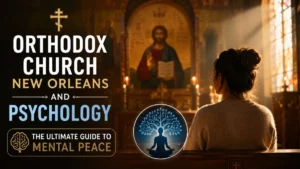
The atmosphere found within an Orthodox Church New Orleans setting often differs significantly from the fast pace of everyday life.
The Role of Environment in Emotional Health
Psychology recognizes that environments influence emotions.
Elements commonly associated with Orthodox worship include:
- Quiet reflection
- Sacred music
- Consistent rituals
- Symbolic imagery
- Structured prayer
These experiences can help reduce mental overload and create opportunities for emotional reset.
When individuals step away from constant notifications, work pressures, and social distractions, the brain receives space to slow down and process emotions more effectively.
Why Rituals Calm the Mind
Rituals provide predictability.
Research in psychology suggests that predictable routines can help reduce anxiety because they create a sense of control and stability. Orthodox traditions often include prayers, liturgical practices, and recurring spiritual rhythms that offer comforting structure.
The Connection Between Faith and Mental Health
Faith and mental health often influence one another by shaping beliefs, coping strategies, emotional resilience, and social support systems.
The connection is not about replacing professional mental health care. Instead, faith can serve as an additional source of support.
How Faith Supports Emotional Resilience
People facing adversity frequently ask:
- Why is this happening?
- How can I move forward?
- What gives life meaning?
Faith traditions help individuals explore these questions.
Benefits may include:
- Greater hope during hardship
- Increased emotional endurance
- Stronger sense of purpose
- Reduced feelings of isolation
- Improved coping mechanisms
These factors contribute to emotional resilience, which is the ability to recover from setbacks and continue functioning despite challenges.
Faith and Positive Thinking Are Not the Same
An important psychological distinction exists between authentic faith and forced positivity.
Healthy faith encourages:
- Honest reflection
- Emotional awareness
- Personal responsibility
- Compassion
- Acceptance of life’s difficulties
Rather than ignoring problems, it provides tools for navigating them.
How StMarkNOLA Supports Mental Wellness Through Community
Community support is one of the strongest predictors of emotional well-being, and faith communities often provide meaningful social connections.
One reason many individuals appreciate StMarkNOLA is the sense of belonging it offers.
The Psychology of Belonging
Human beings are social by nature.
Psychologists consistently identify belonging as a fundamental emotional need. When people feel disconnected, loneliness can contribute to:
- Anxiety
- Depression
- Stress
- Emotional exhaustion
- Reduced self-esteem
Strong communities create opportunities for:
- Shared experiences
- Encouragement
- Accountability
- Emotional support
- Meaningful relationships
Why Community Matters More Than Ever
Modern life has created unprecedented digital connection but, for many, reduced face-to-face interaction.
Faith communities often provide:
- Genuine conversations
- Volunteer opportunities
- Intergenerational relationships
- Shared traditions
- Mutual care during difficult times
These experiences strengthen emotional health and reinforce psychological well-being.
Surprising Psychology Insights Behind Orthodox Spiritual Practices
Many Orthodox spiritual practices align with psychological principles that support mindfulness, emotional regulation, and stress management.
Prayer Encourages Reflection
Prayer creates intentional moments of focus.
Psychologically, reflective practices help people:
- Process emotions
- Reduce rumination
- Clarify priorities
- Strengthen self-awareness
Many individuals report improved mental clarity after spending dedicated time in prayer and contemplation.
Silence Supports Mental Clarity
Modern culture rarely encourages silence.
Yet psychologists recognize that quiet reflection can:
- Reduce cognitive overload
- Improve concentration
- Support emotional processing
- Increase mindfulness
Orthodox traditions often create opportunities for silence that help restore mental balance.
Gratitude Changes Perspective
Gratitude has become a major topic in positive psychology.
People who regularly practice gratitude often experience:
- Increased optimism
- Better emotional regulation
- Greater life satisfaction
- Improved resilience
Many spiritual practices naturally encourage gratitude, reinforcing these psychological benefits.
Psychology and Spiritual Wellness: More Connected Than Many Realize
Spiritual wellness and psychological wellness frequently overlap because both focus on meaning, values, relationships, and personal growth.
The following table highlights these connections:
| Psychological Need | Spiritual Contribution |
|---|---|
| Purpose | Meaning and direction |
| Belonging | Community connection |
| Emotional regulation | Prayer and reflection |
| Resilience | Hope and perseverance |
| Self-awareness | Spiritual examination |
| Stress reduction | Quiet contemplation |
| Personal growth | Character development |
These overlapping benefits help explain why many people report feeling calmer and more centered after participating in faith-based activities.
Can Orthodox Traditions Help Reduce Anxiety?
Orthodox traditions may support anxiety relief by encouraging mindfulness, reflection, community support, and healthy coping mechanisms.
Understanding Anxiety from a Psychological Perspective
Anxiety often involves:
- Excessive worry
- Fear of uncertainty
- Physical tension
- Mental fatigue
Many people become trapped in cycles of constant anticipation and overthinking.
Practices That May Support Anxiety Relief
Orthodox traditions often emphasize:
- Consistent prayer
- Reflection
- Community involvement
- Service to others
- Gratitude
These activities can redirect attention away from persistent worry and toward constructive action and meaning.
It is important to note that serious anxiety disorders may require professional support from qualified mental health professionals. Faith can complement treatment but should not replace necessary medical or psychological care.
The Role of Emotional Health in Daily Life
Emotional health refers to the ability to understand, manage, and express emotions in healthy ways.
Strong emotional health contributes to:
- Better relationships
- Improved decision-making
- Greater resilience
- Reduced stress
- Enhanced life satisfaction
Signs of Healthy Emotional Functioning
People with strong emotional well-being often:
- Recognize their feelings
- Adapt to challenges
- Maintain supportive relationships
- Practice self-awareness
- Demonstrate empathy
Warning Signs of Emotional Exhaustion
Watch for:
- Persistent fatigue
- Irritability
- Lack of motivation
- Social withdrawal
- Difficulty concentrating
Addressing these signs early can help prevent deeper emotional struggles.
A Story That Reflects a Common Experience
Many people discover peace not through dramatic life changes but through small, consistent practices.
Consider someone overwhelmed by work responsibilities, family obligations, and constant digital distractions. They begin feeling emotionally drained and disconnected.
Searching for answers, they start attending community gatherings, spending time in reflection, and participating in meaningful conversations.
Gradually, several changes occur:
- Stress becomes more manageable.
- Relationships improve.
- Perspective shifts.
- Emotional resilience grows.
- Purpose feels clearer.
The change does not happen overnight. Instead, it develops through consistent habits, supportive relationships, and a deeper understanding of what truly matters.
This experience reflects a common psychological principle: sustainable well-being is often built through daily practices rather than quick fixes.
Practical Lessons You Can Apply Today
Small, intentional actions often produce meaningful improvements in mental wellness and emotional resilience.
7 Psychology-Based Habits for Greater Peace
- Set aside quiet reflection time daily.
- Practice gratitude consistently.
- Build meaningful relationships.
- Reduce unnecessary digital distractions.
- Participate in supportive communities.
- Focus on purpose rather than perfection.
- Create healthy routines that encourage balance.
These habits align with both psychological research and many long-standing spiritual traditions.
Key Takeaways
- Psychology and faith often intersect through purpose, belonging, and emotional resilience.
- StMarkNOLA offers opportunities for community, reflection, and spiritual wellness.
- Strong social connections are essential for mental wellness.
- Orthodox traditions can support mindfulness, stress management, and emotional clarity.
- Healthy faith encourages honest emotional awareness rather than avoiding difficult feelings.
- Community support plays a major role in maintaining emotional health.
- The connection between faith and mental health continues to attract attention from both psychologists and spiritual leaders.
Conclusion
The psychology of peace is ultimately about understanding what helps human beings remain emotionally grounded during life’s challenges. While techniques such as mindfulness, stress management, and emotional awareness remain valuable, many people also find strength through faith, community, and meaningful spiritual practices.
At StMarkNOLA, the connection between psychology, mental wellness, emotional health, and faith and mental health becomes visible through community support, reflection, purpose, and shared experience. The traditions associated with the Orthodox Church New Orleans environment remind us that peace is not simply the absence of stress. It is the presence of meaning, resilience, connection, and hope.
Whether you are seeking anxiety relief, greater emotional resilience, stronger relationships, or a deeper sense of purpose, exploring the psychology of peace may offer valuable insights that extend far beyond temporary comfort. The journey begins with a simple question: What practices, relationships, and beliefs help you experience genuine peace?
FAQs
1. How does psychology explain the feeling of peace in an Orthodox church?
Psychology suggests that peaceful environments reduce mental overload and support emotional regulation. Quiet reflection, meaningful rituals, sacred music, and community connection can help lower stress levels, improve focus, and create a stronger sense of emotional stability, which many people experience during Orthodox worship.
2. Can faith improve mental wellness?
Faith can support mental wellness by providing hope, purpose, community, and healthy coping mechanisms during difficult situations. While it does not replace professional mental health treatment, many individuals find that spiritual practices complement emotional well-being and help strengthen resilience during life’s challenges.
3. Why is emotional resilience important for mental health?
Emotional resilience helps people recover from setbacks, adapt to change, and manage stress more effectively. Individuals with strong resilience often maintain healthier relationships, experience less emotional overwhelm, and develop greater confidence when facing uncertainty or adversity in daily life.
4. What role does StMarkNOLA play in emotional health?
StMarkNOLA provides opportunities for community connection, spiritual reflection, and meaningful relationships. These experiences can reduce loneliness, increase belonging, and encourage supportive interactions that contribute positively to emotional health, personal growth, and overall well-being.
5. How are faith and mental health connected?
Faith and mental health are connected through factors such as meaning, hope, social support, and emotional coping. Many faith traditions encourage reflection, gratitude, compassion, and resilience, all of which can positively influence psychological well-being and help individuals navigate life’s challenges more effectively.